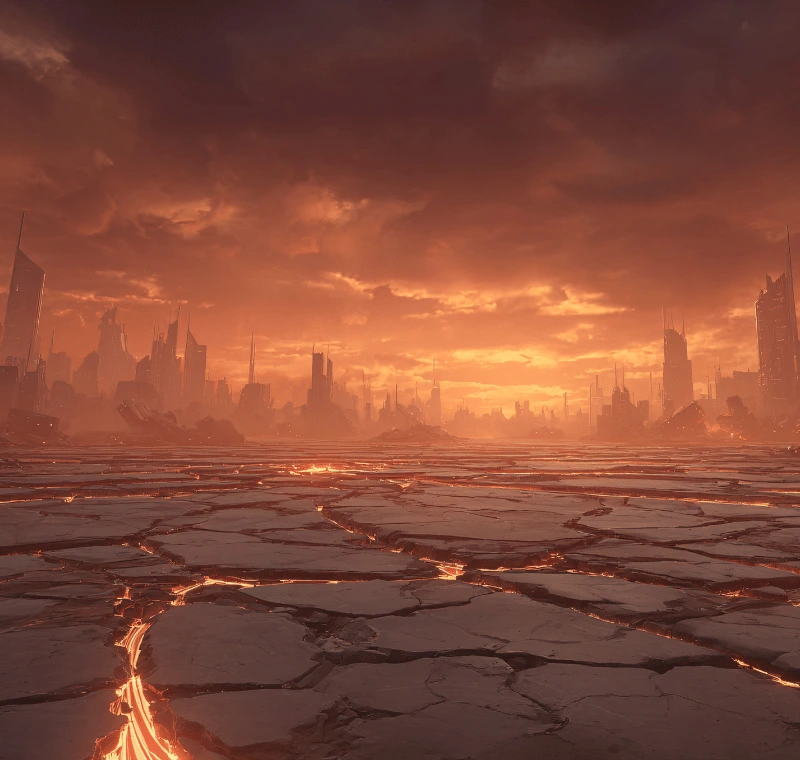
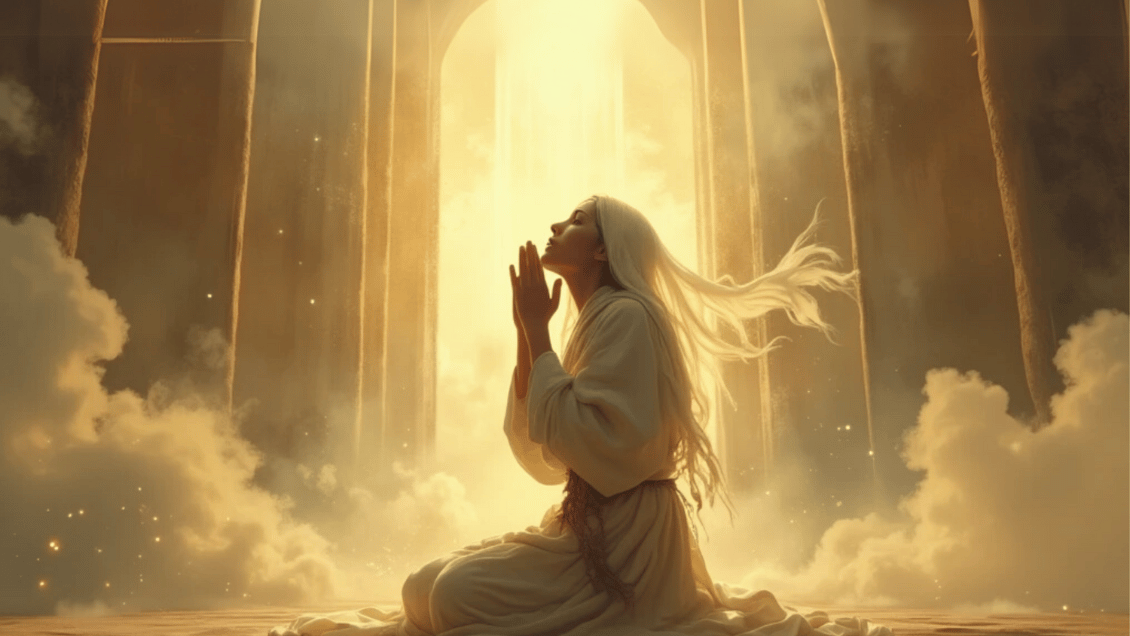

What moral compass guides the people in your world? Where do they look for answers to big questions in life? What beliefs shape their society? These are the questions we'll explore in this article. Why incorporate a fantasy religion into your worldbuilding? Because it can provide a rich source of motivation, magic, and conflict for the characters in your game or novel setting.
But inventing a nuanced, complex belief system (much less more than one!) can be a daunting task. It's also an area of fantasy worldbuilding that can be a sensitive topic for some folks. Your setting may not even need a great deal of detail around religion.
Why should you build a fantasy religion?
Here are some reasons why you might need a religion in your world!
- You're creating a homebrew setting for a tabletop RPG where divine power is a source of magic. (You can have clerics without gods—but it's pretty unusual!)
- You're creating an epic fantasy setting where religious organizations or monastic orders are an important or powerful political faction.
- You're embarking on a D&D campaign with a cult leader as the villain. A cult is a type of religion—and even if it's a sham, you'll still need to know what the members believe.
What are some examples of fantasy religions?
It can be helpful to see what other writers and worldbuilders have done before you. So here's a short reading list of fantasy novels where religion is a main focal point in the world.
- The 13 Gods, Gentlemen Bastards Sequence, Scott Lynch - Locke Lamora isn't just a thief. He's a priest of the god of thieves (and maybe something more).
- Drowned God, Old Gods, Faith of the Seven, Lord of Light, Many-Faced God, A Song of Ice & Fire, George R.R. Martin - Westeros is a world of many faiths, most of which are analogs to real-world religions.
- N. K. Jemisin's Inheritance Trilogy - The gods are real (and real messy) characters in this fantasy trilogy.
- Divine Cities Trilogy, Robert Jackson Bennett - Somebody killed the gods (and broke the world built on their divine magic).
- World of the Five Gods by Lois McMaster Bujold - The gods are real, but they can only act through humans.
- World of the White Rat, T. Kingfisher - A gaslamp fantasy world with multiple faiths, among them an order of god-touched social workers, healers, and public defenders.

How should you create a fantasy religion?
Answer these questions in bullet points, to create basic outline of your fantasy faith. You can flesh it out later, if necessary:
Step 1: Make Basic Decisions
Will your religion adhere to monotheism (one god) or polytheism (a pantheon)? Is it a local, regional or global faith? Does the religion aspire to a particular moral alignment, or is it morally ambiguous? Is it an empirical or mysterious religion (meaning, do the gods actually act visibly in the world, or do followers have to take their existence on faith)? What is the religion's relationship to magic?
Step 2: Define Core Beliefs (Philosophy and Agenda)
Establish the fundamental tenets and myths that form the basis of the religion. Consider the creation story, moral code, and afterlife beliefs. What do they value? What are their taboos?
Step 3: Develop Deities (or Not...)
Design gods, goddesses, or cosmic forces worshipped by followers. Determine their domains, personalities, and relationships with mortals. If there are no gods, what do they hold sacred? It might be abstract concepts, places, people, or principles.
Step 4: Construct Rituals and Ceremonies (What does this faith look like?)
Invent religious practices, ceremonies, and holidays that reflect the faith's values and traditions. This is where creating a fantasy religion can be a really fun part of developing culture. Do priests wear robes? Have tattoos? Do they take pilgrimages—or conduct clandestine sacrifices?
Step 5: Establish Organizational Structure (Who outranks who?)
Outline the hierarchy of clergy, temples, and religious institutions within the faith. Explore the roles of priests, prophets, and acolytes. Are there monastic orders - if so, what are their vows? How present in the world are the holy men and women of this religion? How do clerics rise in the ranks—or can they? Do priests have final say over their local flock, or are all decisions dictated from a central authority?
Step 6: Incorporate Symbols and Icons
Create symbols, artifacts, and sacred relics associated with the religion. These visual elements can evoke powerful imagery and inspire devotion. This can be a great time to incorporate your artistic skills - or maybe just your talent for description.
Step 7: Consider Cultural Influence
Reflect on how the religion interacts with the broader culture, influencing art, architecture, and social norms. This can be especially relevant for how they view gender, sexuality, and other identities. Are they an official state religion or a fringe cult? Do they have immense wealth and land?
More Resources & Links
- Religion Description Generator
- Fantasy Religion Generator - Imagine Forest
- Fantasy Religion Generator - Iron Arachne
- Worldbuilding Religion Design - Inkwell Ideas
- Religion Creation Guide - Roll for Fantasy
- Books that Explore Religion in Sci Fi & Fantasy - Reactor Magazine
Fantasy religions can be powerful factions that shake up your stories and settings… as long as you worldbuild them right. Because the best worlds aren’t built on geography — they’re built on belief.
If you want an amazing toolset to keep your worldbuilding organized, create a free account at WorldAnvil.com. You can keep track of what people in your world believe with worldbuilding templates, how faiths have influenced history with timelines, and the community challenges and worldbuilding prompts will keep you creatively inspired!